









Palworld’s Big Leap, 1.0 Drops Early Access in 2026
[ad_1]
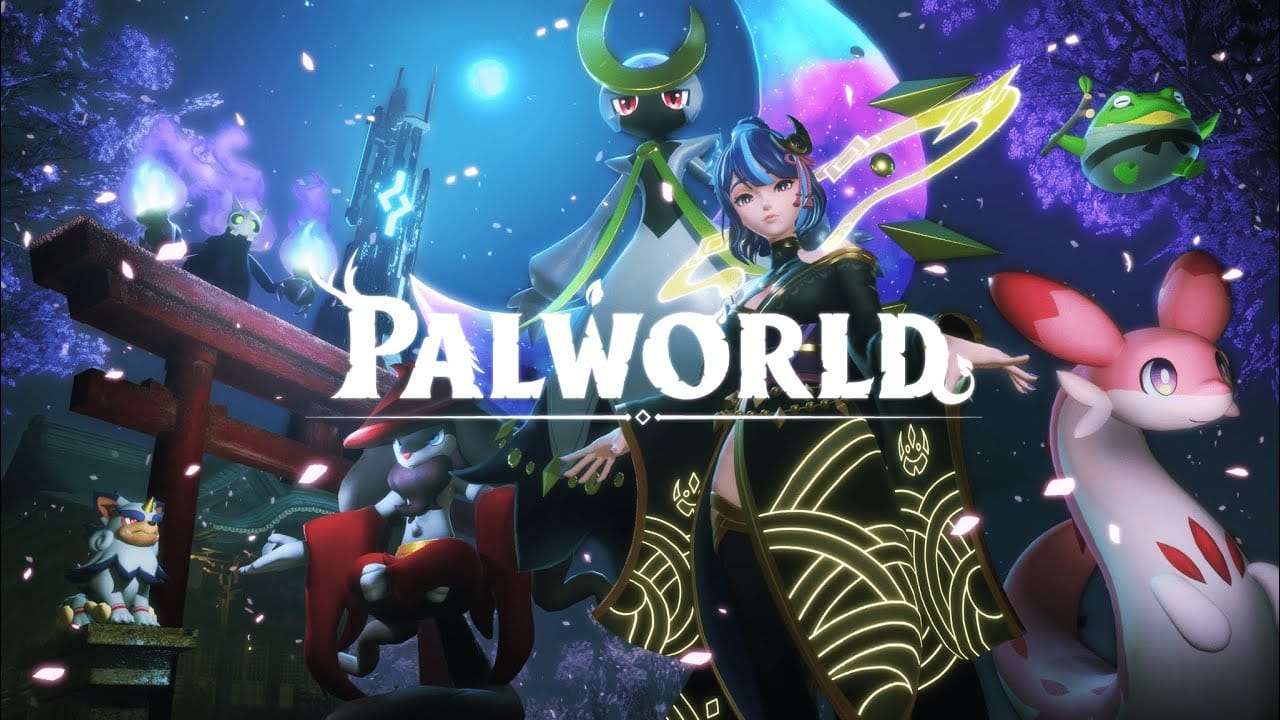
Palworld’s version 1.0 is set to debut in early 2026, enhancing gameplay.
- Over 32 million players engaged since Palworld’s early access launch.
- Version 1.0 focuses on stability, AI improvements, and user experience.
- New gameplay features include crossplay and smarter base Pals.
Palworld burst onto screens in January 2024 as an early access smash, blending creature collection with survival crafting and firearms in a way that hooked millions fast.
It rocketed to over two million peak players on Steam alone, outselling big titles like God of War in days and hitting 32 million total players across platforms by early 2025.
Pocketpair, a small Japanese studio, rode this wave through constant updates: raids in version 0.2, a fresh island in 0.3, Feybreak expansion in 0.4, crossplay in 0.5, and even a Terraria team-up in 0.6.
Player numbers dipped after the launch frenzy, as often happens with live service games, but steady patches kept a loyal base of around 60,000 concurrent on Steam by January 2026.
The game’s charm lies in its Pals, those critters you capture, breed, and deploy for base work or battles, all while dodging legal heat from Nintendo over mechanics like throwing balls to snag them.
Pocketpair passed initial legal checks before release, but ongoing suits forced some gameplay tweaks, which they called tough but necessary to keep development rolling. This early access run built a foundation, proving Pocketpair could deliver amid chaos.
Cleanup Mode Kicks In
September 2025 marked a pivot when communications lead Bucky shared a video update: Palworld exits early access with version 1.0 in 2026, focusing on ironing out “quirks and jank” instead of nonstop content blasts.
Also Read: Why Was Andrew Callaghan Cancelled? The Man-On-The-Street King’s Sudden Fall
No precise date dropped, but the team committed to a quieter 2025 pace, prioritizing optimization, base Pal AI fixes, and UX polish over giant adds. A winter update still packs “a few surprises,” though smaller than Feybreak, with sneak peeks of 1.0 goodies coming soon.
This approach drew mixed buzz. Fans praised the honesty, seeing it as smart prep for a polished product after two years of rapid iterations. Critics questioned the timeline, wondering if delays signal deeper issues, especially with player counts stabilized but not surging.

Pocketpair stressed development ramps up, not slows, aiming for stability that lets wild ideas shine in 1.0. Legal clouds from Nintendo linger, but the studio fights on, betting fixes now prevent bigger headaches later.
Recent patches like 0.7 added triangular base pieces, color options, raid arenas, melee overhauls, and experimental PvP, hinting at the depth ahead.
1.0 Packs the Payload
Version 1.0 promises a “massive” haul, including the final boss and true ending scenario that early access skipped. Crossplay expands to full co-op, world transfers let Pals move servers, and new ways to boost them join fresh islands, technologies, and collaborations.
Building gets refined, base Pals smarter, and raids hit endgame status, rounding out the survival loop. Pocketpair eyes PvP arenas for Pals and more, turning Palworld into a beast beyond its “Pokemon with guns” label.
Community forums light up with speculation: will 1.0 spike those player numbers back up, or has the wait tested patience too long? Sales momentum gives breathing room, with millions invested in the IP already.
For newcomers, this full drop means jumping in without early access rough edges, while vets get rewards for sticking around. Pocketpair’s track record suggests they deliver, even if the 2026 timing stays vague until closer. The shift from frenzy to focus positions Palworld not just to launch, but to last.
Also Read: American Airlines Flight Status: Live Chaos from Storm Fern
People Also Ask
- What is K-pop?
-
K-pop, or Korean pop music, is a genre that originated in South Korea and incorporates various musical styles, including pop, hip-hop, R&B, and electronic music.
- When did K-pop begin to gain international popularity?
-
K-pop began to gain international popularity in the early 2000s, with groups like H.O.T. and later artists such as PSY and BTS contributing to its global reach.
- What are some common characteristics of K-pop music?
-
K-pop music often features catchy melodies, choreographed dance routines, and visually appealing music videos, along with a strong emphasis on fashion and aesthetics.
- How are K-pop groups typically formed?
-
K-pop groups are usually formed through a rigorous training system by entertainment companies, where trainees undergo vocal, dance, and performance training before debuting.
- What role do fandoms play in K-pop?
-
Fandoms play a significant role in K-pop, providing support for artists through streaming, voting in music shows, and participating in fan events, often creating a strong community.
- What are some notable K-pop groups or artists?
-
Notable K-pop groups and artists include BTS, BLACKPINK, EXO, TWICE, and Red Velvet, each known for their unique styles and significant contributions to the genre.
[ad_2]