









The Boys Season 5 Episode 2 Review: Expansion Without Immediate Payoff
[ad_1]
Episode 2 of The Boys, titled “Teenage Kix,” shifts the season from setup into expansion. Where the premiere established stakes and direction, this episode broadens the playing field. The tradeoff is clear: more narrative threads, but less immediate impact.
The episode’s core function is structural. It connects disparate arcs, introduces new variables, and begins stress-testing the central premise introduced in Episode 1. As a result, it feels transitional by design.
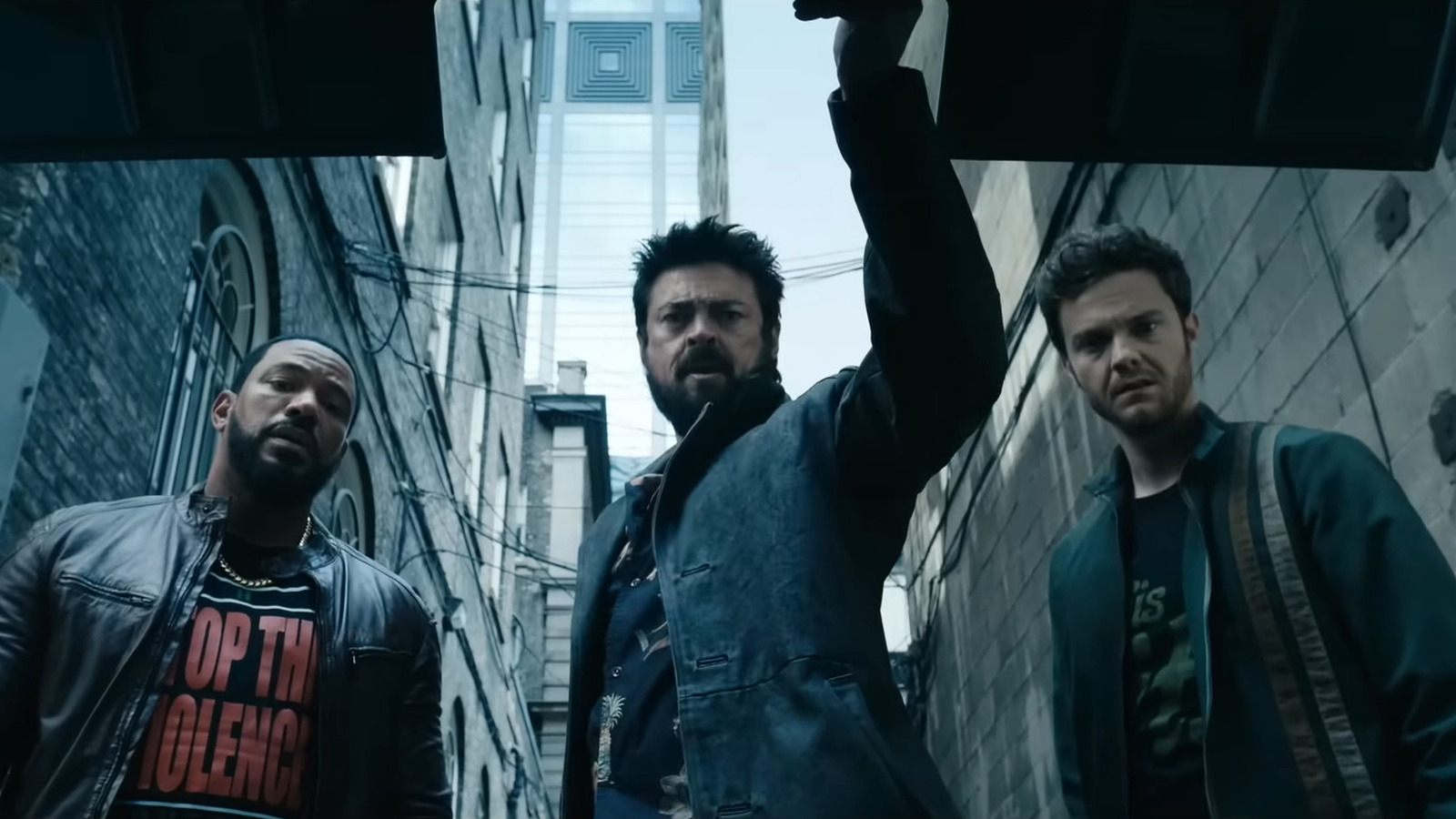
At the center of the episode is Billy Butcher’s escalating strategy. The development of a supe-targeting virus moves from concept to application, reframing the conflict in more absolute terms.
This is no longer about neutralizing specific threats. It is about the viability of eliminating an entire class of individuals. The episode handles this with a degree of restraint, but the implications are explicit. The moral ambiguity is not a subplot. It is the axis of the season.
However, the execution of this thread is uneven. The plan advances, but without a decisive breakthrough. The attempt to test the virus introduces tension, yet stops short of delivering a defining moment. This creates a sense of narrative deferral. The audience understands the stakes, but is asked to wait for validation.
In contrast, the introduction of the “Teenage Kix” group re-engages the show’s satirical core. The influencer-driven, commodified version of superhero culture is familiar territory for The Boys, but it remains effective.
The depiction is exaggerated but recognizable, functioning as a critique of digital celebrity ecosystems and corporate packaging. These sequences provide tonal variation, though they are somewhat compartmentalized from the main narrative thrust.
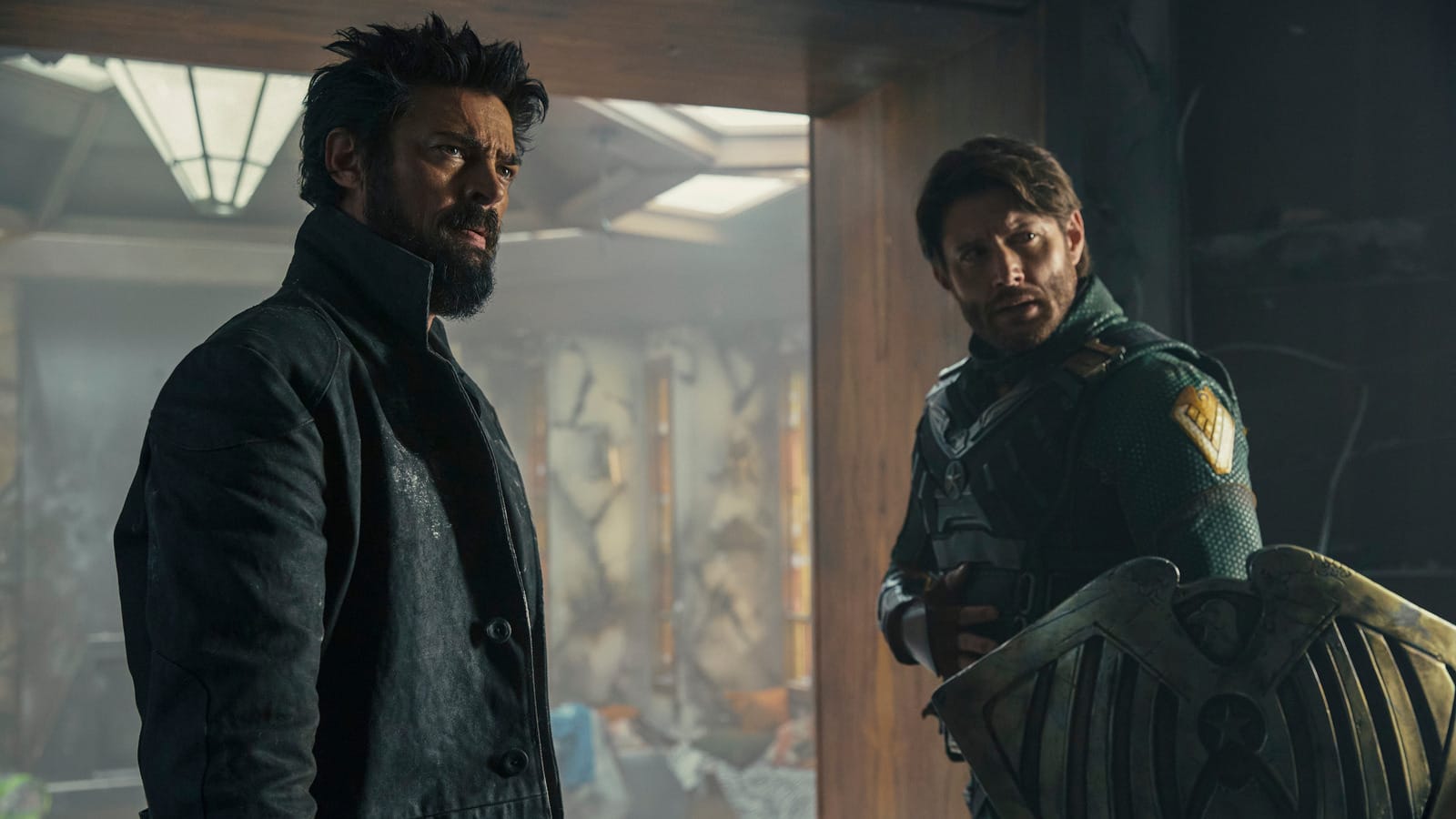
The return of Soldier Boy is the episode’s most destabilizing element. His presence immediately complicates existing power dynamics.
Unlike Homelander, whose authority is now institutional, Soldier Boy represents volatility. He does not fit into the emerging order, and that makes him inherently disruptive. The episode uses him sparingly, but effectively, positioning him as a variable that could either accelerate or derail the endgame.
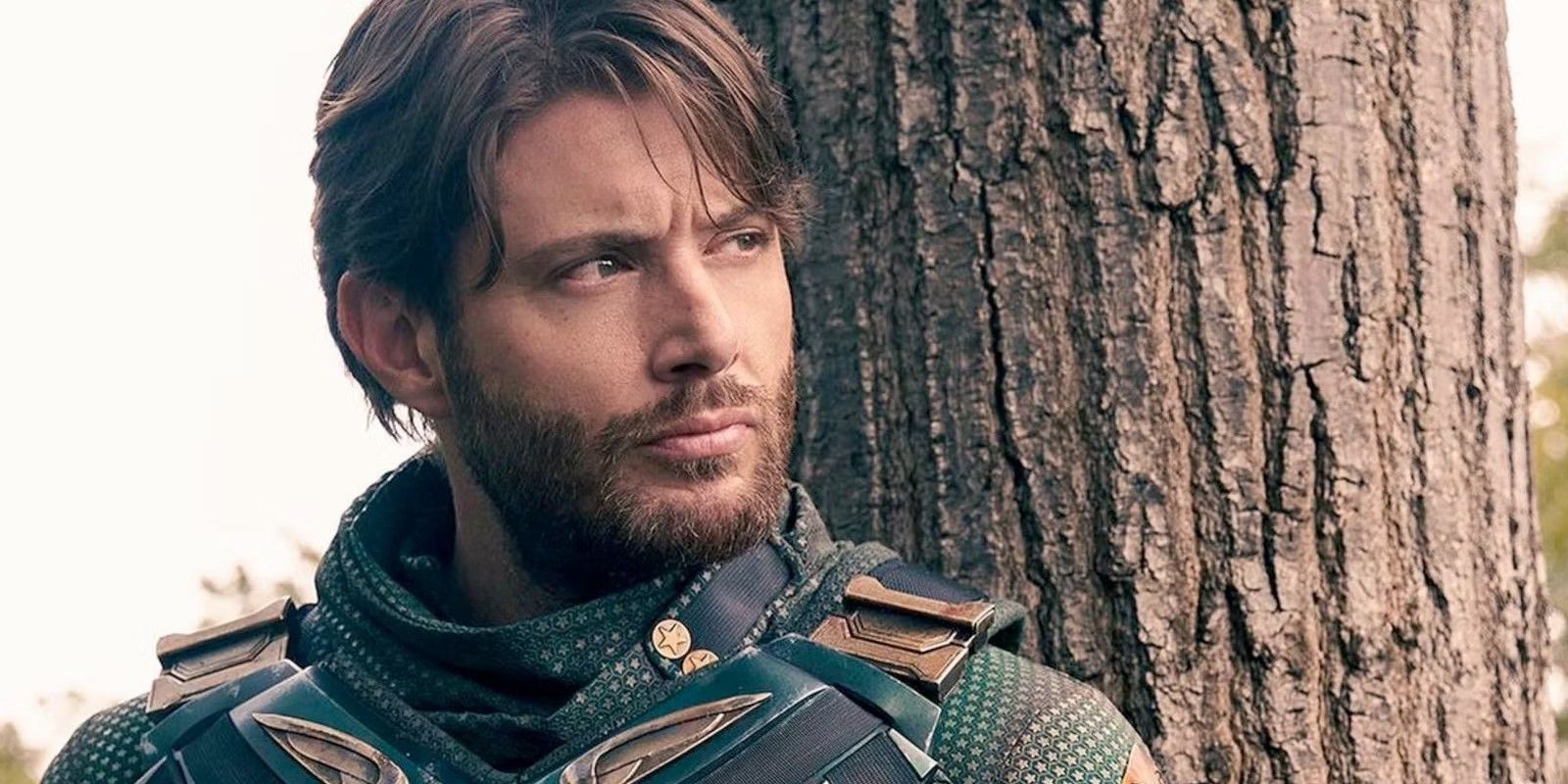
Homelander himself undergoes a subtler shift. The episode emphasizes control over spectacle. His actions are less about domination in isolated moments and more about systemic enforcement. Detentions, propaganda, and public manipulation replace overt displays of violence. This approach reinforces the idea that his power has matured into something more entrenched and difficult to dismantle.
One of the episode’s limitations lies in its pacing. With multiple arcs advancing simultaneously, individual threads receive less depth. Character moments, particularly for figures like Starlight and Hughie Campbell, feel abbreviated. Their roles are clear, but their emotional trajectories are not given sufficient space to resonate.
There is also a tonal balancing act that does not fully resolve. The episode oscillates between satire and bleakness without always integrating the two. The “Teenage Kix” sequences, while effective in isolation, can feel disconnected from the more severe, ideologically driven main plot.
Despite these issues, Episode 2 succeeds in one critical area: it clarifies scope. The conflict is no longer localized. It is systemic, ideological, and potentially catastrophic. Every major character is now operating within that expanded framework.
The episode does not aim to peak. It aims to build. That distinction is important. As a standalone installment, it is less compelling than the premiere. As a component of the season’s architecture, it is necessary.
Rating: ⭐ 8/10
Episode 2 prioritizes expansion over payoff. It sacrifices immediacy to reinforce the broader structure of the final season. Whether that tradeoff proves effective will depend on how decisively subsequent episodes deliver on the foundations established here.
[ad_2]