









Manga Piracy Kingpin Arrested in Almería After a Decade of Running the Biggest Leak Site

[ad_1]
On April 22, 2026, Spain’s National Police announced the dismantling of what it describes as the largest illicit online manga distribution platform in the Spanish language. The site had been running since 2014, attracted millions of monthly visits from across the Spanish-speaking world, and generated more than €4 million in advertising revenue for the people behind it.
Three people were arrested in the southern Spanish city of Almería and handed over to the judicial authorities as alleged perpetrators of a continued offense against intellectual property. Investigators seized what the police called a complex technological setup used to keep the operation running, shut down a second website the main suspect was preparing to launch, and, in one of the more novel details of the case, pulled two USB drives hidden inside a wall thermometer. Those drives contained cold cryptocurrency wallets worth more than €400,000.
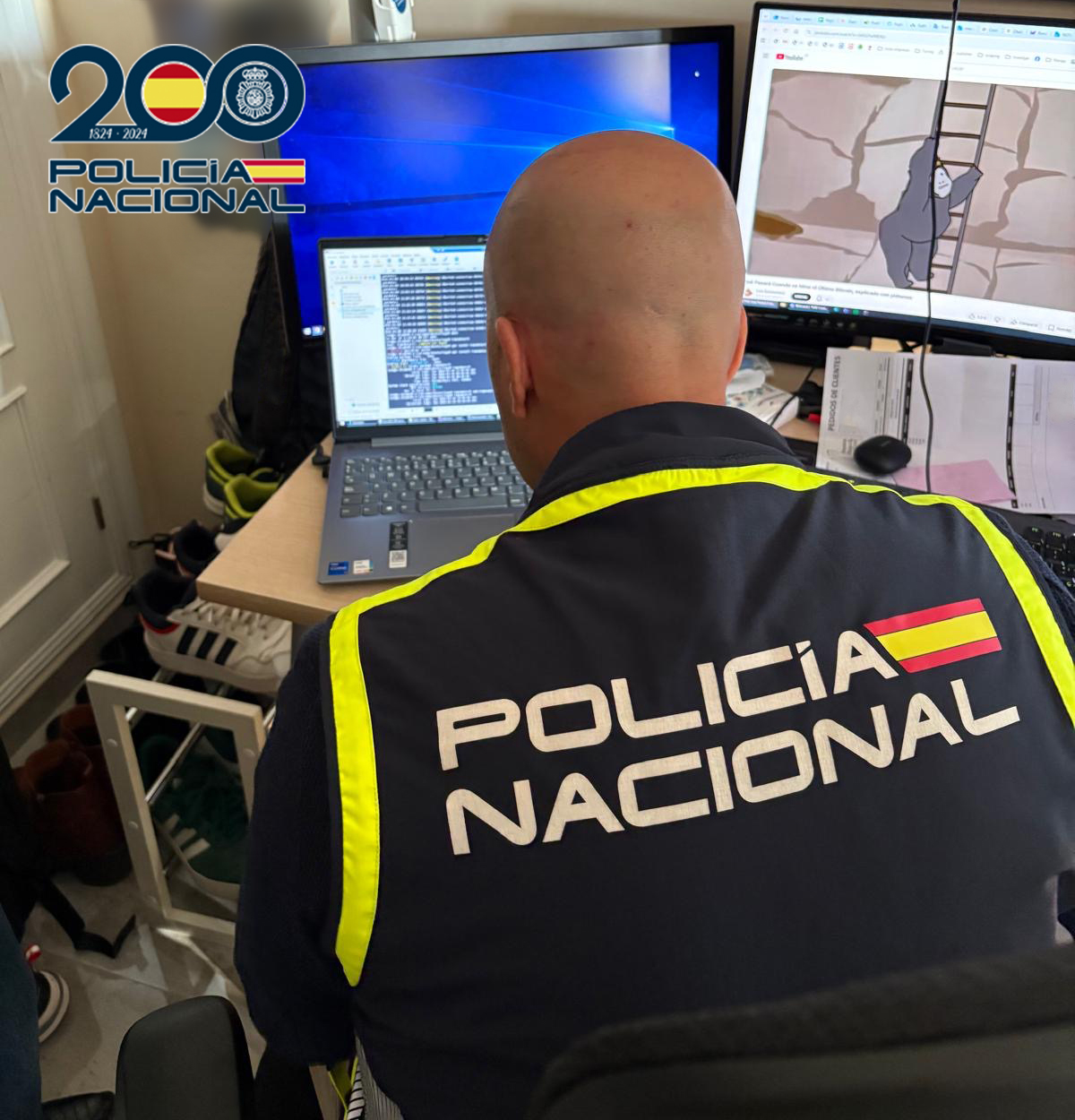
A decade of free manga, paid for by pop-ups
According to the police, the investigation began in June 2025 after agents became aware of a platform offering illegal access to manga content on a massive scale. What they found, after the first round of inquiries, was not a fringe hobby site but the main reference point for manga piracy in Spanish. It was the largest Spanish-language manga repository online, systematically providing free, unauthorized access to an enormous catalog of copyright-protected works since 2014.
The site had consolidated itself over the years as the principal reference for Spanish-language manga piracy, with notable international projection and millions of monthly accesses from across the Spanish-speaking world. That reach meant the damage was not confined to Spain. Publishers, translators, editors, and distributors across Latin America, where appetite for manga has exploded in recent years, all lost revenue to a site that paid none of them.
The monetization model was as simple as it was relentless: pop-ups. Every interaction on the site, whether opening a chapter, clicking a link, or flipping to the next page, triggered another pop-up window. Multiplied across millions of users and billions of page views, the math worked out to more than €4 million in advertising revenue, all of it earned by piggybacking on work that neither the site operators nor their advertisers had any right to distribute.
A children’s site wallpapered with porn
The most troubling element of the case is not the scale of the piracy or even the money. It is who was looking at the ads. Manga’s readership skews young, and the police note that a significant portion of the site’s audience were minors. The advertising network that kept the platform profitable, however, was dominated by pornography.
In practice, that meant children and teenagers reading comics were being bombarded with sexually explicit pop-ups on every click. It is the kind of environment that no legitimate publisher would ever permit and no parent would knowingly allow, and it went on, by the operators’ own metrics, for years. The National Police flagged this directly as a social harm tied to the operation, separate from the copyright question.
Inside the raid: a thermometer full of crypto
When officers searched the main suspect’s home in Almería, they found the technical backbone of the operation. Servers, storage, and the infrastructure needed to keep a site of that scale online and responsive. They also found evidence that the operator was not winding down but doubling down. A second, complementary website was already in development, intended presumably as a backup or a successor. The raid stopped that launch before it happened.
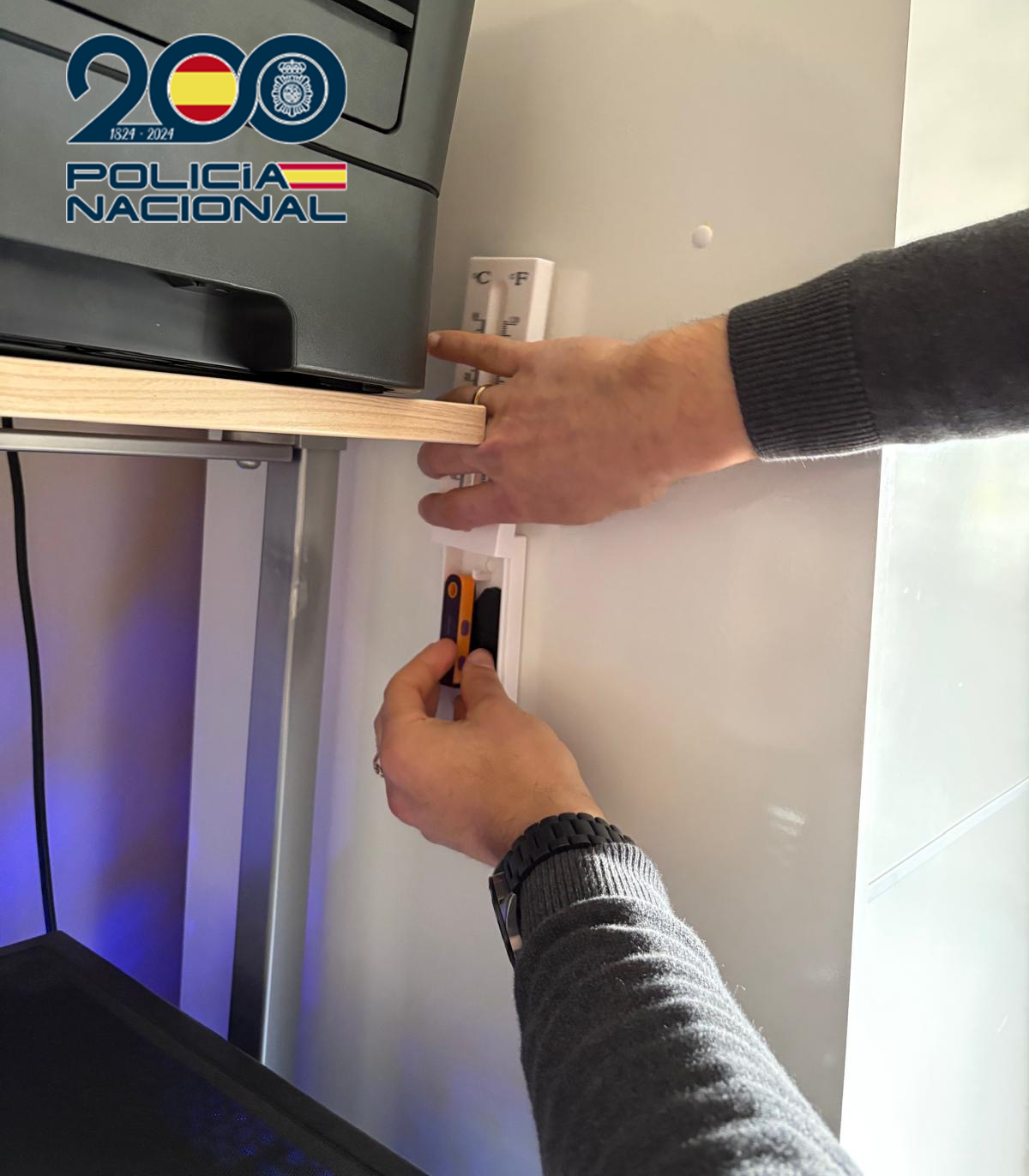
The most cinematic detail came from a wall thermometer. Concealed inside it were two USB sticks holding cold cryptocurrency wallets, or offline storage for digital assets, chosen precisely because it cannot be accessed remotely or frozen by an exchange. The combined value exceeded €400,000, and it is now in the hands of investigators.
Cold wallets are a recurring theme in piracy enforcement because they solve an awkward problem for operators of a site like this. Large sums of ad revenue, often routed through intermediaries, eventually need to be parked somewhere out of reach of banks and regulators. Hiding the keys inside a household object is less sophisticated than it is paranoid, and in this case, it didn’t work.
The police framed the operation in terms that go beyond a single website. The platform’s strong implantation across the Spanish-speaking market meant a heavy economic and reputational impact on the publishing sector, eroding legal channels of exploitation and discouraging investment in the creation, editing, translation, and distribution of content.
There is also a quieter, longer-term cost the police allude to. When a free, well-stocked pirate site becomes the default, official publishers have less incentive to license, translate, and distribute new titles in Spanish. Readers end up with fewer legitimate options, translators lose work, and the cultural pipeline that brings Japanese manga to Spanish-speaking audiences gets thinner. The site’s aggressive ad saturation also, ironically, degraded the very works it was pirating. Readers associated the experience of reading manga with porn pop-ups and malware risk rather than with the art itself.
What comes next
The three detainees have been presented before a judge on charges of a continued offense against intellectual property. Spanish intellectual property law allows for prison terms and substantial fines for commercial-scale copyright infringement, and the multi-million-euro revenue figure, combined with the hidden crypto assets, strengthens the case that this was an organized commercial operation rather than a fan project.
For readers, the immediate consequence is that a site many of them used daily is gone and is not coming back in its previous form. The core infrastructure, the servers, the people running them, and the money that kept them running, has been seized. The shutdown has already lit up social media across the Spanish-speaking manga community, with posts reaching tens of thousands of interactions and reflecting just how deeply the platform had embedded itself in the reading habits of a generation.
For the industry, the message is that a decade of operation, millions of users, and a fortune in cryptocurrency were not enough to stay ahead of the investigators once Spanish police started pulling on the thread. And for anyone still running a site like this in 2026, the thermometer is going to feel like a very small hiding place.
Policía Nacional official release
[ad_2]