









BTS ARMY Thrives In North Korea Despite Crackdown
[ad_1]
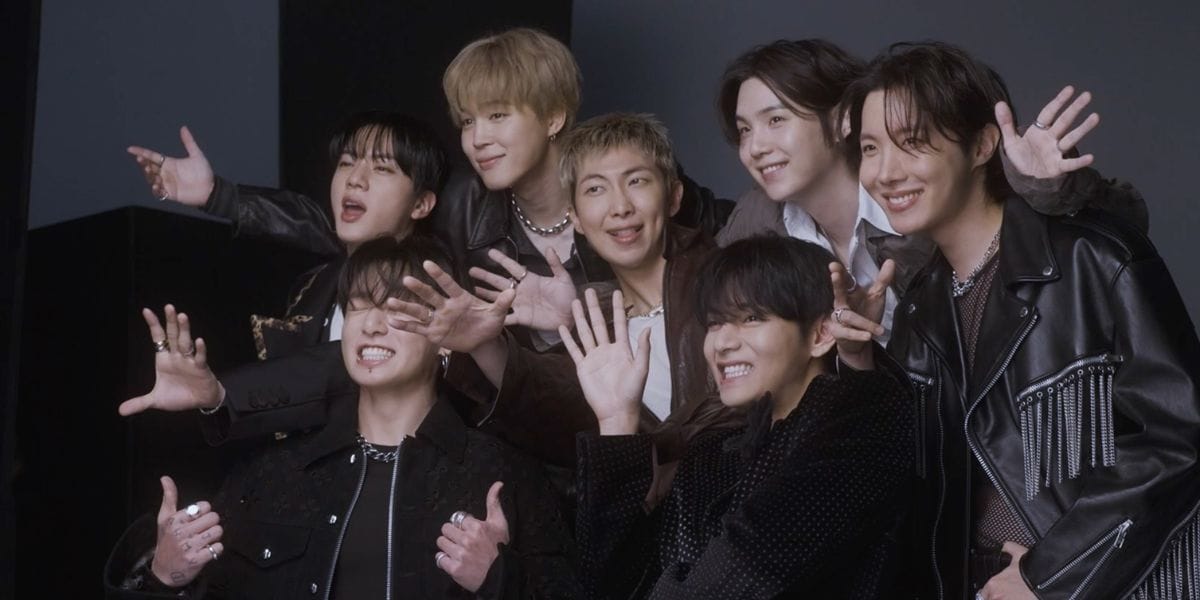
BTS has, over the past decade, grown into one of the most influential music acts in the world.
Since their debut in 2013, the group has redefined the global reach of K-pop, consistently breaking records across streaming platforms, charts, and international tours.
Their impact extends far beyond music, shaping fashion, language, and youth culture on a global scale. In 2026, BTS continues to demonstrate its cultural and commercial power.
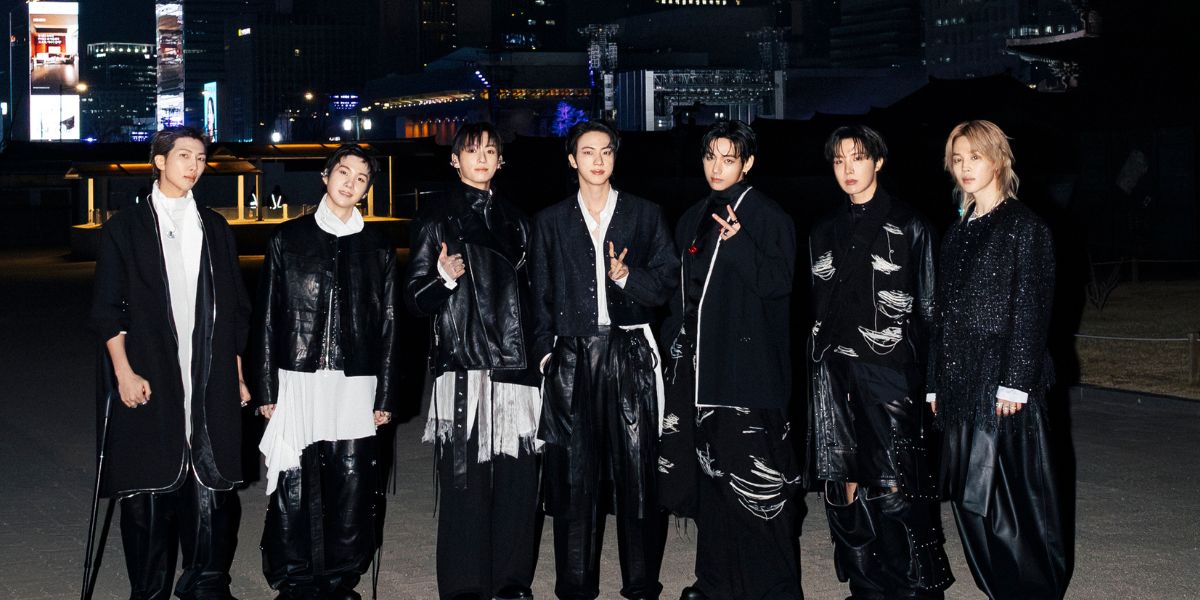
Their fifth studio album Arirang, and the accompanying free concert at Gwanghwamun Square drew massive attention, reaffirming their ability to unite audiences both in South Korea and worldwide.
Even as the group navigates individual and group activities, their collective presence remains strong, with fans across continents continuing to engage with their music and message.
What distinguishes BTS is not only their artistic output, but also the depth of their connection with listeners.
Their themes of resilience, identity, and self-expression resonate across cultural and linguistic boundaries, allowing their influence to reach places where access to global entertainment is limited or restricted.
The Impact of BTS Songs In North Korea
Despite strict government controls on foreign media, BTS has quietly become embedded in youth culture within North Korea.
Reports indicate that young people across the country, including in Pyongyang, are not only aware of the group but actively engage with their music and image.
Among younger generations, familiarity with BTS has become a subtle marker of social awareness.
Those who are unfamiliar with the group risk being seen as disconnected from current youth culture, highlighting just how deeply their influence has permeated, even under constrained conditions.
While many fans may not know official details such as the name of BTS’s fandom, ARMY, their connection to the group is still evident in everyday conversations.
Interest often begins through word of mouth, with peers sharing music, images, and information in informal settings.
Discussions frequently center on the members’ performances, visuals, and overall appeal, reflecting the same admiration seen among fans globally.
In response to increasing surveillance, young North Koreans have developed subtle ways to express their interest in BTS without drawing attention.
Rather than using the group’s full name, The Daily North Korea mentions they commonly refer to them as “Bangdan” or “BT,” allowing conversations to remain discreet while still understood within peer groups.
These coded references have become part of a broader linguistic adaptation, where shared understanding replaces explicit mention.
Phrases praising BTS’s music or expressing a desire to see them perform circulate quietly, demonstrating how fandom persists even in restrictive environments.
This evolution of language reflects both caution and creativity. It shows how cultural enthusiasm can adapt to external pressures, reshaping itself in ways that allow it to survive rather than disappear.
BTS’ Influence Without Borders
For many young North Koreans, BTS represents more than entertainment. Their music, style, and public image have become sources of inspiration. This influence extends into personal aspirations
Listeners are drawn not only to the sound of their songs, but also to their choreography, fashion, and overall presentation.
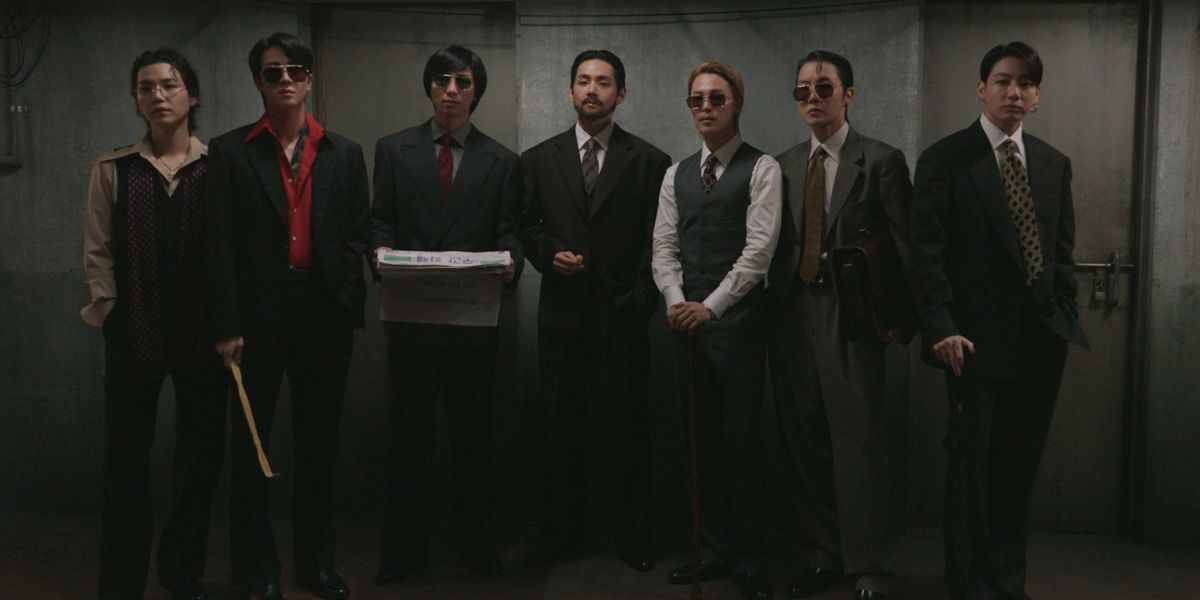
Some young people express a desire to emulate the group’s style, from clothing to hairstyles, while others imagine attending concerts or meeting the members in person.
These aspirations mirror those of fans worldwide, underscoring the universality of BTS’s appeal.
The presence of BTS within North Korea’s youth culture illustrates a broader reality about global media in the modern era. Even in environments where access is tightly controlled, cultural influence can find ways to circulate, adapt, and endure.
BTS’s reach into such spaces is not simply a testament to their popularity but to the power of music as a form of connection. It highlights how shared interests can transcend political and geographic boundaries, creating a sense of participation in a wider global culture.
As BTS continues to evolve and release new work, their influence is likely to persist in both visible and unseen ways.
From major international stages to quiet, coded conversations, their presence remains felt, shaping how young people engage with music, identity, and the world beyond their immediate surroundings.
[ad_2]