









Financial Success of the Evangelion Franchise
[ad_1]
Exploring Hideaki Anno’s financial triumph through the enduring Evangelion phenomenon
- Pachinko machines generate billions, fueling Anno’s earnings from Evangelion.
- Khara’s establishment solidified Anno’s control over lucrative franchise rights.
- Evangelion merchandise continues to dominate sales, enhancing Anno’s steady income.
Hideaki Anno kicked off Neon Genesis Evangelion at Gainax in 1995 amid his own depression struggles. The TV series followed teen pilots battling Angels in giant Evas, blending robot fights with raw mental breakdowns that gripped Japan.
Airing on TV Tokyo, it built a cult following despite low initial ratings, exploding after a late-night slot shift.
Gainax rode the wave hard, with Evangelion topping Animage polls and spawning early merch like figures and apparel. By 1997, the franchise already pulled in massive home video sales, laser discs flying off shelves, and DVDs following suit.
Anno poured personal pain into Shinji’s hesitations and Rei’s detachment, turning inner turmoil into viewer obsession.
Pachinko machines turned into the silent killer for profits, machines themed around Evas and pilots raking in billions over the years.
Reports pin over 11 billion dollars just from those slots, dwarfing box office hauls and making Evangelion a top media earner per episode ever. Anno’s Gainax stake funneled early royalties his way, setting up seven-figure foundations quickly.
Studio Split Fuels Anno’s Solo Payday
Anno bolted from Gainax in 2006 to launch Khara, grabbing Evangelion reins fully after messy debt fights. Gainax hid billions in income post-series boom, dodging taxes and sparking scandals, but Evangelion royalties kept flowing.
Also Read: Paul Mescal Dating History: The Gladiator II Star’s Latest 2026 Rumors
Khara loaned them cash, sued over 100 million yen unpaid, and grabbed key rights when Gainax tanked in 2024.
Rebuild films locked in Anno’s director pay and producer cuts. Evangelion 3.0+1.0 Thrice Upon a Time topped the box office with 8.28 billion yen, over 75 million dollars, edging Shin Godzilla. The four-film saga retold the story with fresh twists, pulling 164 million worldwide across entries and streaming deals.

Merch stayed relentless, from vending machines stocked with Eva snacks to clothing lines and collabs. Figures of Rei and Asuka alone generated hundreds of millions yearly, with Anno earning through Khara licensing. Wife Moyoco Anno’s manga ties added family merch angles, boosting visibility without diluting core control.
Revival Hits Keep Cash Registers Ringing
Thirty years on, the 2025 anniversary screenings crushed charts. Death and Rebirth revival took the top ten spots with an opening of 118 million yen, extending its runs nationwide.
You Can (Not) Advance hit number seven recently, proving an endless hunger for theater rewatch. The total franchise box office easily surpasses $ 250 million.
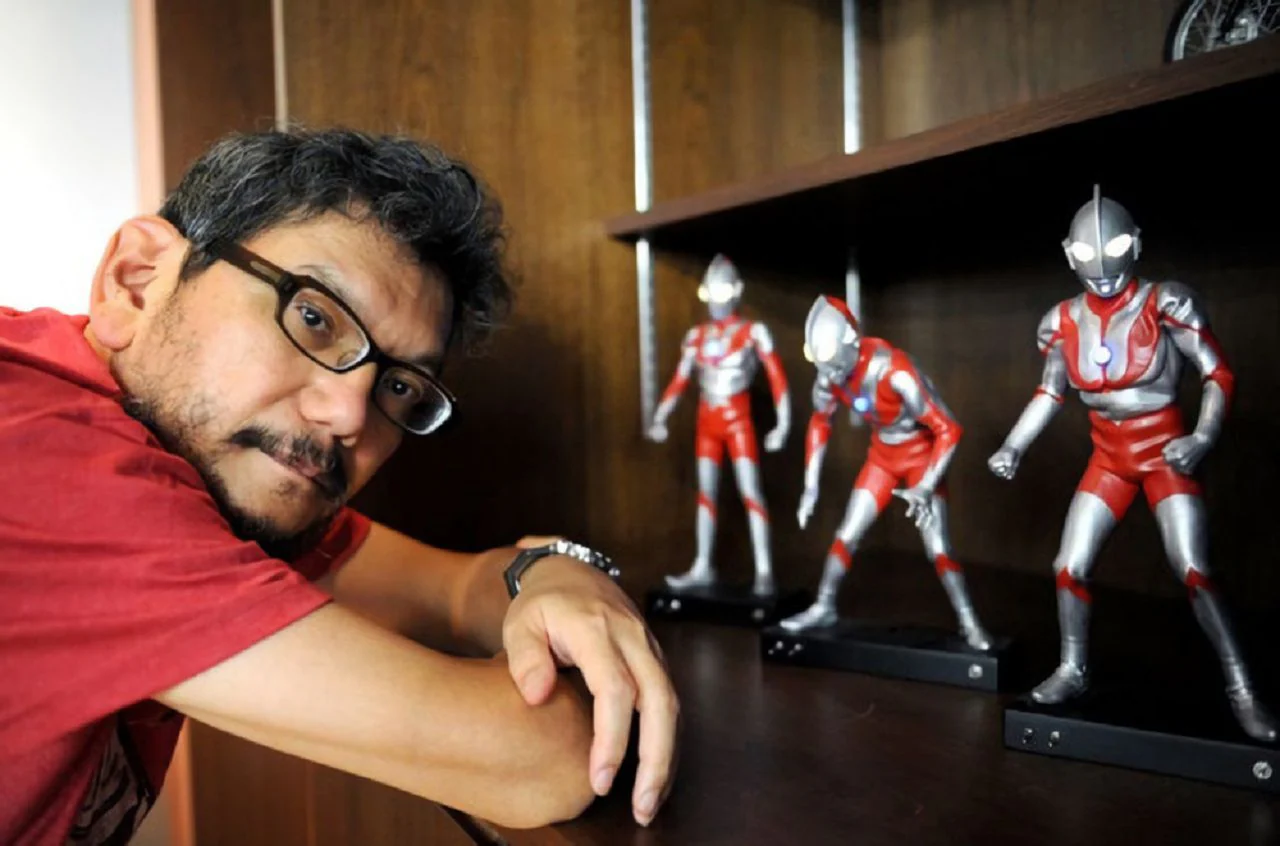
Khara’s moves scream smart business, like Anno joining Production I.G board in 2025 for wider networks. Gundam shorts and Shin tokusatsu films like Ultraman padded income, but Evangelion owns the vault. Pachinko still dominates at 70 percent revenue slice, untouched by streaming shifts.
Net worth trackers fix Anno at 20 million dollars steady into 2026, blending direction fees, Khara ownership, and perpetual merch royalties.
Compared to peers: Oda swims in hundreds of millions from One Piece, but Anno built his pile leaner, depression-fueled vision paying dividends forever. No flashy spends surface, fitting the reclusive genius who voiced Jiro in Miyazaki’s Wind Rises.
Recent shorts like Evangelion:30 tease more, with Naoyuki Asano directing Anno’s script. Global Netflix drop reignited U.S. sales, Blu-rays from GKIDS flying despite dub gripes. Khara’s full IP lock post-Gainax seals long-term wins, from games to potential sequels.
Pachinko dominance shows Japan-specific genius, machines packing parlors coast to coast. Merch evolved too, Rei-inspired lines outselling rivals like Avengers locally. Anno’s agnostic spiritualism wove into lore, drawing deep-pocket fans chasing Kabbalah nods and Freudian depths.
Khara lawsuits protected assets, dodging Gainax’s 380 million yen debt pit. Anno propped the old studio early, but cut ties clean for focus. Shin Godzilla and Kamen Rider side gigs hit billions of yen, too, diversifying beyond mecha angels.
Fan debates rage on endings, but cash ignores controversy. Rebuild finale drew pandemic crowds, uplifting renewal themes hitting right. Anniversary fests lock cultural icon status, ensuring royalties for life. Anno’s path from Osaka dropout to animation overlord proves vision trumps all.
Also Read: Yuki Kaji Net Worth: Earnings of the voice behind Eren Yeager
People Also Ask
- What is Hideaki Anno’s net worth as of 2026?
-
Hideaki Anno’s net worth is estimated to be 20 million dollars.
- What franchise is Hideaki Anno best known for?
-
Hideaki Anno is best known for the Neon Genesis Evangelion franchise.
- When did Hideaki Anno leave Gainax to start his own studio?
-
Hideaki Anno left Gainax in 2006 to launch his own studio, Khara.
- How much revenue has the Evangelion franchise generated from pachinko machines?
-
The Evangelion franchise has generated over 11 billion dollars from pachinko machines.
- What was the box office performance of Evangelion 3.0+1.0 Thrice Upon a Time?
-
Evangelion 3.0+1.0 Thrice Upon a Time topped the box office with 8.28 billion yen, over 75 million dollars.
- What impact did the 2025 anniversary screenings have on the franchise?
-
The 2025 anniversary screenings achieved top ten box office spots, with Death and Rebirth earning 118 million yen on opening.
[ad_2]