




Media’s Self‑Protection Act Exposed In Hersh Documentary
[ad_1]
Cover-Up critiques American media’s complicity in political narratives through Hersh’s investigative legacy.
- Explores how media shields power, revealing a pattern of complicity.
- Showcases Hersh’s controversial reporting amidst institutional self-censorship concerns.
- Balances praise for Hersh with critiques of journalistic standards and biases.
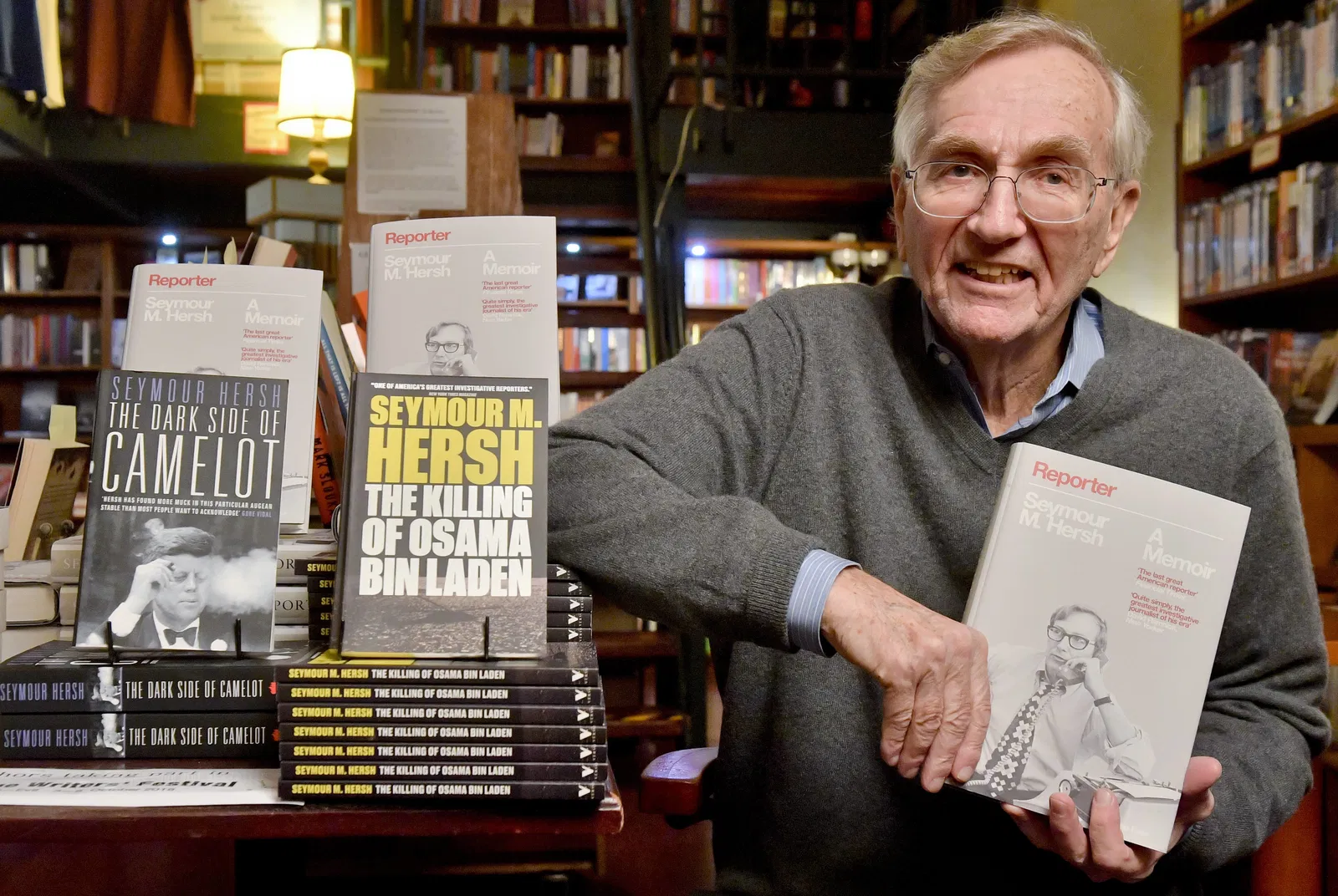
Laura Poitras and Mark Obenhaus frame Cover-Up as not just a portrait of Seymour Hersh but also an accusation that American news culture repeatedly shields power until forced to do otherwise.
The documentary revisits Hersh’s biggest stories, My Lai, Abu Ghraib, CIA domestic spying, and the secret bombing of Cambodia, as recurring examples of atrocities that major outlets initially resisted, minimized, or tried to rationalize.
The film’s opening stretch sets the tone with Hersh in late-career mode, shuttling between calls and documents while recounting how his Vietnam reporting ran through a small antiwar news service before bigger papers reluctantly followed.
That choice underlines one of the movie’s harshest claims: that what gets branded as “dishonest media” often looks more like nervous institutions worried about patriotism, advertiser comfort, and access until a story’s momentum makes silence impossible.
Cover-Up leans heavily on archival footage, from Nixon-era panic over Hersh’s scoops to images from Abu Ghraib and more recent material from Gaza, to show a repeating pattern of denial, pushback, and belated accountability.
Time magazine’s background on the film notes that Poitras and Obenhaus even secured on-camera testimony from Camille Lo Sapio, a previously anonymous source behind the Abu Ghraib photos, reinforcing how much risk falls on individuals while large outlets weigh reputational damage.
Also read: Stranger Things Finale Deaths Stay Satisfying, Duffer Bros Vow No GoT Red Wedding Bloodbath
At the same time, reviewers at outlets like Screen Rant and the Wall Street Journal stress that Poitras refuses to turn Hersh into a simple heroic monument.
The documentary includes his controversial Nord Stream pipeline story, which relied on a single anonymous source and drew strong skepticism from peers, as a way of asking when skepticism toward “dishonest media” veers into its own blind spots.
When Newsrooms Blink: Self‑Censorship, Access, And American Myth
One of Cover-Up’s sharpest threads concerns self-censorship, the quiet editorial instinct to soften or sideline stories that cast the United States as an aggressor rather than a defender.
Rotten Tomatoes’ overview points out that Poitras and Obenhaus are less interested in biography than in using Hersh’s reporting as a running test of how far mainstream media will go before it flinches.
Critics at Jacobin and Asia Society have long argued that Hersh’s work exposed not only specific crimes but also the way official narratives get laundered into conventional wisdom through friendly coverage.
The documentary echoes those debates, showing how his revelations about biological weapons tests that killed thousands of sheep or abuse inside Abu Ghraib were initially met by major outlets repeating military denials almost word for word.
A Time feature on the film frames Hersh’s early Chicago reporting as his training ground for spotting how police and political power shape what gets written, long before Vietnam turned him into a national figure.

That context matters because Cover-Up keeps cutting between the past and the present Gaza campus protests and the war on terror to argue that institutional pressures on journalists have not disappeared, only become more sophisticated.
The documentary and its reviewers also draw a line from Hersh’s era to current fights over “embedded” reporters, national security leaks, and whistleblower prosecutions.
By revisiting threats against sources and the constant risk of losing access, the film suggests that dishonesty is rarely a cartoonish fabrication; it is more often a series of small compromises that, over time, leave the harshest truths outside the frame.
Hero Or Hazard: How Cover-Up Handles The Hersh Debate
Poitras already has a reputation for politically charged documentaries, and early reviews highlight how Cover-Up continues that streak while allowing space for doubt about its central figure.
The Guardian describes the film as a tense, tightly structured argument that America’s violent record abroad is inseparable from the media’s reluctance to confront it, yet it also acknowledges that Hersh’s later work raises real questions about sourcing and confirmation.
Screen Rant’s review, which coined the “dishonest media under the microscope” framing, praises the film for showcasing Hersh’s determination but criticizes it for sidestepping some of the deepest concerns about whether he sometimes shapes facts to fit his expectations.
Those concerns are most visible in the Nord Stream segment, where the movie presents both the impact of his allegations and the discomfort among journalists who feel his evidentiary standards have shifted with age and status.
Netflix’s own description of Cover-Up calls it a “political thriller” about one man’s fight to expose institutional violence, a marketing line that fits neatly with Poitras’s storytelling instincts.
Yet the film’s broader cultural impact may come less from its suspenseful pacing and more from what it invites viewers to ask of their favorite outlets, whether on cable, social media, or streaming news startups, when they watch stories about war, protest, or national security.
Original Cin’s coverage of the documentary stresses Hersh’s age and stamina: at 88, he is still chasing sources, still distrusted by governments, and still controversial among fellow reporters.
Seen through that lens, Cover-Up lands as both a tribute and a provocation, forcing audiences to wrestle with a messy idea that one journalist’s flaws do not erase the failures of the institutions that often tried hardest to ignore him.
Also read: Bacon and Sedgwick’s Netflix Rom-Com Ignites Holiday Streaming Buzz with Real-Life Sparks
People Also Ask
- What is the main focus of the documentary ‘Cover-Up’?
-
The documentary focuses on Seymour Hersh’s reporting and critiques how American news culture often shields power, highlighting instances of self-censorship and institutional pressures on journalists.
- Which significant stories by Seymour Hersh are revisited in ‘Cover-Up’?
-
The documentary revisits Hersh’s major stories including My Lai, Abu Ghraib, CIA domestic spying, and the secret bombing of Cambodia.
- How does ‘Cover-Up’ portray the relationship between media and power?
-
The film argues that mainstream media often minimizes or rationalizes atrocities until public pressure makes it impossible to remain silent.
- What critical perspective does the documentary take on Hersh’s later work?
-
The documentary acknowledges that while Hersh’s early work was groundbreaking, his later stories, such as the Nord Stream pipeline allegations, raise questions about sourcing and journalistic standards.
- What themes are explored regarding self-censorship in the documentary?
-
The film explores themes of self-censorship in newsrooms, particularly how stories that portray the U.S. as an aggressor are often softened or sidelined.
- How does ‘Cover-Up’ connect Hersh’s era to current journalism challenges?
-
The documentary draws parallels between Hersh’s experiences and contemporary issues such as embedded reporting, national security leaks, and the risks faced by whistleblowers.
[ad_2]