








Ships Exit Port of Baltimore After Bridge Collapse

[ad_1]
After a month-long ordeal, four cargo ships stranded at the Port of Baltimore due to the collapse of the Francis Scott Key bridge have finally found a way out.
The bridge’s ruin, caused by the collision with the Dali container ship, had severely restricted large vessel traffic, disrupting operations at the busiest U.S. port for auto shipments.
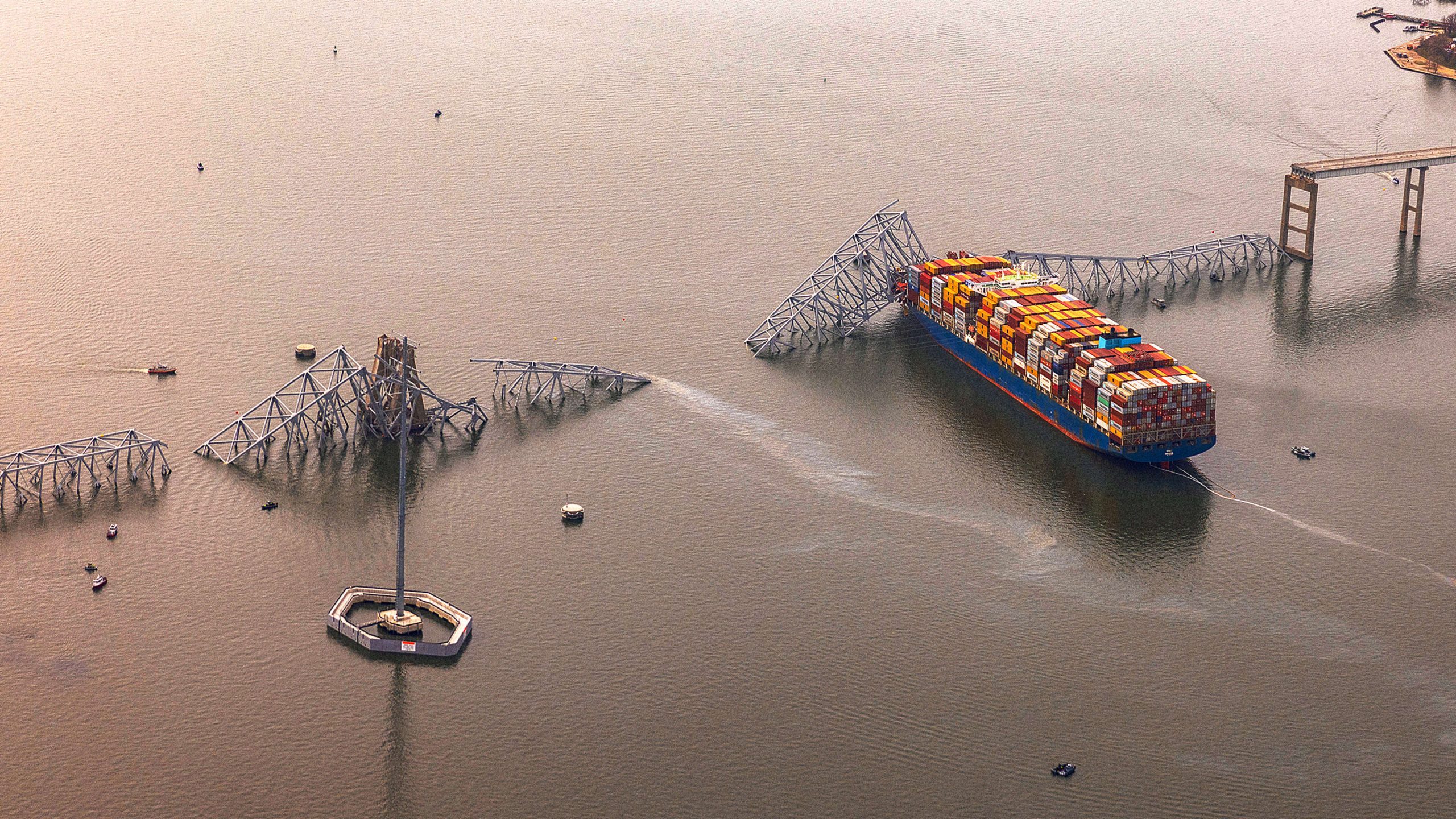
The first ship to exit via the temporary channel was the Balsa 94, a general cargo carrier, on Thursday. It addressed the new 300-feet wide and at least 35-feet deep channel and is now en route to Saint John, Canada.
Other vessels, including the Saimaagracht, the Carmen car carrier, and the Phatra Naree bulk carrier, also made their way out of the harbor.
However, the Dutch-flagged Frisian Ocean was among those vessels that entered the port using the new channel before it temporarily closed for the removal of the Dali container ship.
Coast Guard Captain David O’Connell, leading the Key Bridge response team, emphasized the delicate balance between enabling temporary access for commercial activity and the necessary measures for a full reopening of the Fort McHenry Channel, expected by the end of May.
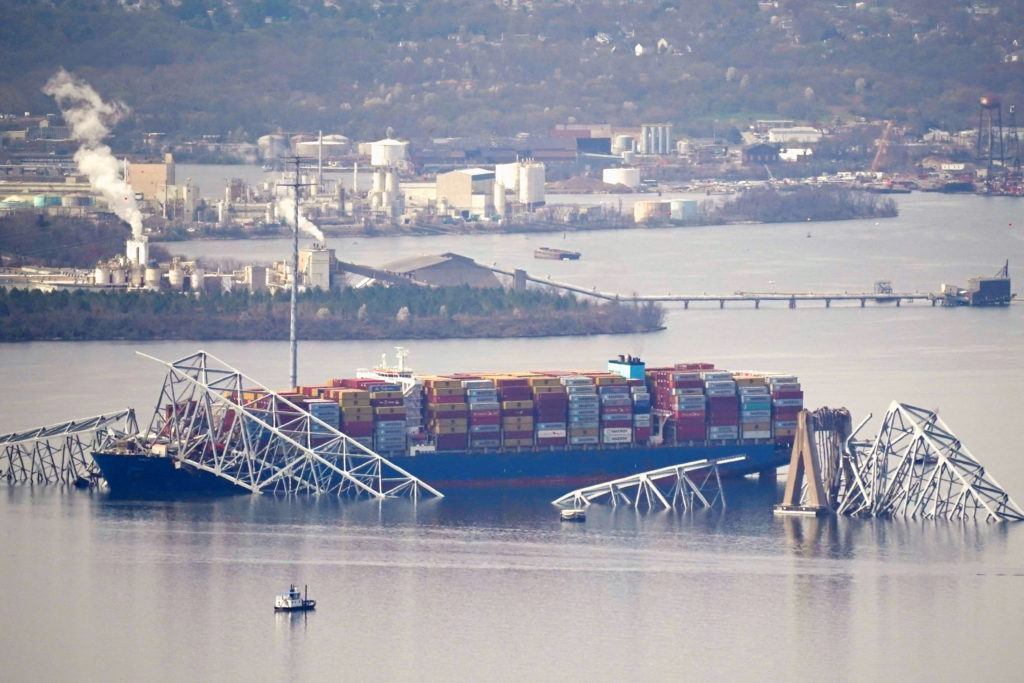
During this period, the Port of Baltimore, the second-largest port for U.S. coal exports in 2023, faced challenges, including coal pile-ups and diverted shipments.
While coal carriers like the JY River and Klara Oldendorff remain stranded, some barges carrying agricultural goods, coal, and metals still have access via a shallow channel.
[ad_2]