






Why 2026 is the Definitive Turning Point for the Franchise

For nearly two decades, Code Geass has occupied a singular, iron-clad position in the anime pantheon. It was the lightning-in-a-bottle masterpiece that balanced Shakespearean tragedy with high-octane mecha action, anchored by one of the most polarizing and brilliant protagonists in fiction: Lelouch vi Britannia.
But for a long time, the franchise felt like a relic of a golden age, a “closed loop” that fans were hesitant to disturb. That era of preservation is officially over. As we move through the second quarter of 2026, it has become clear that we aren’t just witnessing a few anniversary cash-ins; we are living through a fundamental “Geass Renaissance.”
The Ambition of “Hoshioi no Aspar”
The catalyst for this renewed fervor is the official reveal of “Code Geass: Hoshioi no Aspar” (Aspal the Star Chaser). For years, the expanded universe has focused on filling gaps—side stories like Akito the Exiled or the “what-if” alternate history of the Resurrection films.
Aspar feels different. Under the direction of Kazuya Nomura, the project appears to be moving away from the safety of familiar European battlefields and toward the metaphysical roots of the series.
The early teasers suggest an editorial shift toward the “C’s World” mythology, the source of Geass itself. By moving the narrative lens toward the celestial and the philosophical, the creators are finally addressing the one part of the lore that remained tantalizingly vague during the original run.
The 20th Anniversary: Beyond Nostalgia
As the franchise marches toward its 20th anniversary in October, the “Road to 20th” campaign has moved beyond simple retrospectives. The current 13-film theatrical marathon in Japan isn’t just a trip down memory lane; it is a calculated effort to unify the fractured timelines of the franchise for a new generation.
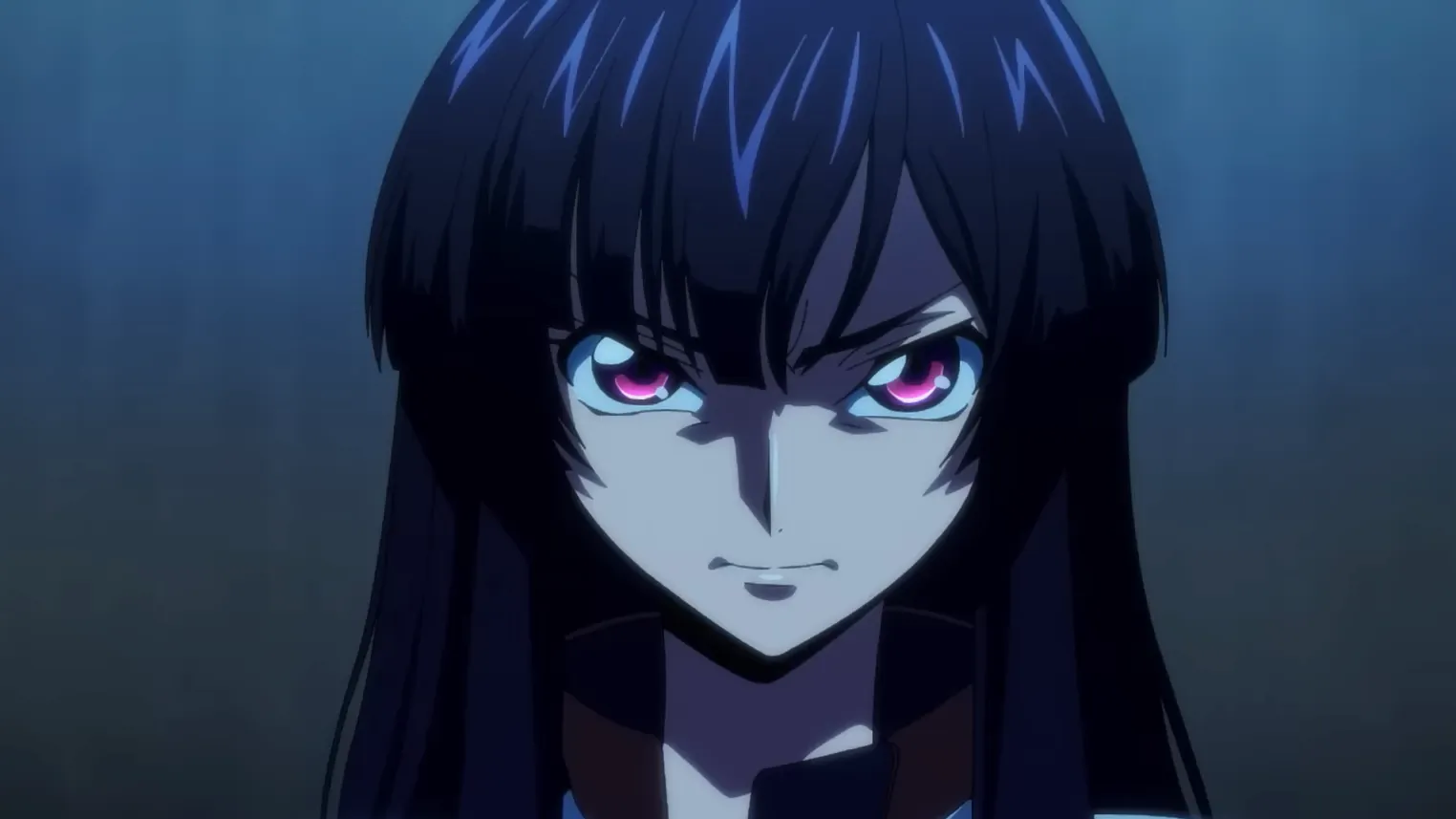
The editorial challenge for Code Geass has always been its ending. The “Zero Requiem” is arguably the most perfect finale in anime history. For years, the creative team at Sunrise (now Bandai Namco Filmworks) walked a tightrope: how do you continue a story that ended perfectly? The 2026 strategy seems to be the answer. By leaning into the “Multiverse” or “Infinite Timelines” approach, typified by the upcoming Gundam Wing crossover manga, they are freeing themselves from the shadow of the 2008 finale. They are no longer trying to replace the original ending; they are building a mythos that can exist alongside it.
The “Rozé” Effect and the TV Shift
The upcoming July 2026 TV broadcast of Rozé of the Recapture marks another pivotal moment. While Rozé was initially released in a fragmented theatrical/streaming format, its transition to the “Animeism” block represents a return to the franchise’s roots.
Code Geass has always been at its best when it is part of the weekly cultural conversation, the cliffhangers, the tactical reveals, and the water-cooler debates. By bringing the latest chapter back to a traditional broadcast schedule, the franchise is reclaiming its status as a seasonal titan rather than a niche legacy property.
The Code Geass of 2026 is no longer a franchise looking backward. With Hoshioi no Aspar on the horizon and a 20-year legacy being aggressively modernized, the “Geass Protocol” is working.
Lelouch vi Britannia once famously said that “the world cannot be changed with pretty words alone.” It requires action. By diversifying its storytelling, embracing its complex mythology, and refusing to let the brand stagnate, the stewards of the franchise are doing exactly that. Whether you are a veteran of the 2006 premiere or a newcomer drawn in by the sleek aesthetics of the modern era, one thing is certain: the power of the king is once again absolute.