







Why Was Superstore Cancelled? The Real Story Behind Cloud 9’s Final Shift
Exploring the multifaceted reasons behind the cancellation of Superstore’s final season.
- America Ferrera’s departure shifted NBC’s outlook on continued seasons.
- Pandemic production and cost complexities influenced cancellation decisions.
- Superstore ended with a satisfying finale, despite ongoing fan support.
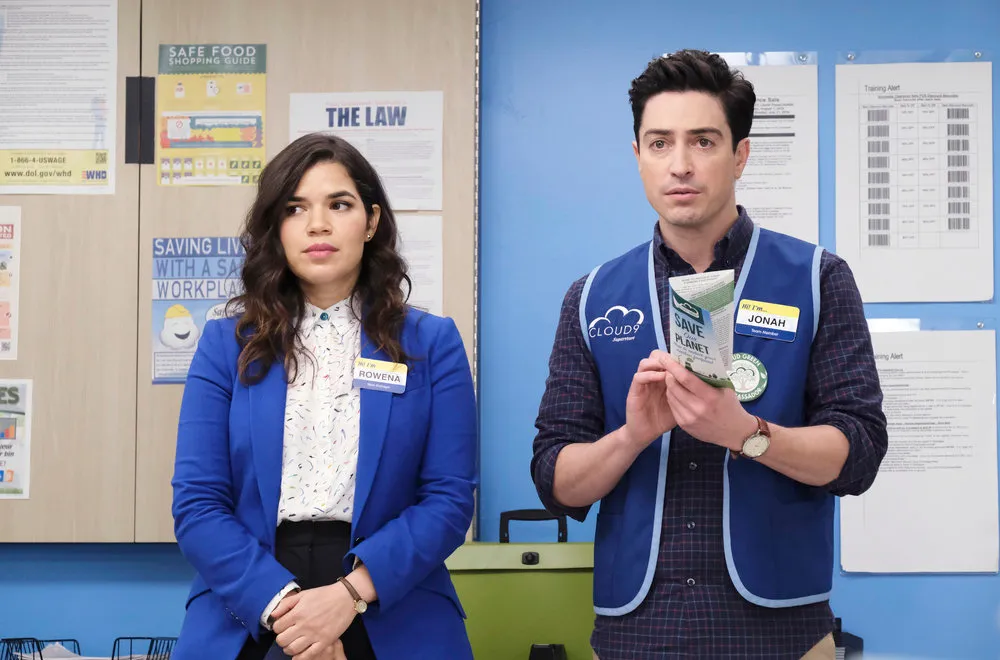
If you strip away the nostalgia and the memes, Superstore was built very tightly around Amy Sosa, and by extension, around America Ferrera’s mix of grounded exasperation and quiet ambition.
Ferrera was not only the face on the poster, but she was also an executive producer and occasional director, the person the network had sold as the audience’s guide through Cloud 9.
When she announced in early 2020 that she would leave after season five to focus on her family and other projects, it instantly turned season six from a comfortable renewal into a question mark.
NBC and Universal Television did renew the show and wrote Amy’s promotion to corporate as an in-story exit, but multiple trade reports later framed the decision to end with season six as a direct response to losing that core character.
Also read: Frodo Left Middle‑earth, But He Never Really Came Back: The Hidden Reason
Articles from outlets such as Decider and The List note that executives opted to let the series wrap rather than rebrand it entirely around the ensemble without Ferrera’s presence at the center.
Some critics and fans have argued the store itself could have carried a few more seasons, pointing to shows like The Office continuing after Steve Carell, yet NBC’s move signaled that they did not see the same upside once their best-known star had moved on.
Pandemic Production Chaos And Quiet Ratings Math
Timing made everything messier. Superstore’s sixth season sat right in the middle of the industry’s pandemic scramble, with shutdowns, rewrites, and safety protocols hitting almost every network comedy.
Variety reported that the season had already been interrupted, and the cast returned under tighter conditions, with masks and distancing written directly into the show to mirror essential workers on the front lines.
That kind of production is more expensive and more complicated, which made NBC scrutinize every returning show a little harder.

What complicates the story is that Superstore was not a flop in the usual sense. Newsweek and Yahoo Entertainment both highlighted that its ratings had slipped from the early years. Still, they remained respectable for a network sitcom of that era, especially once delayed and streaming viewing were taken into account.
The series passed 100 episodes and hit the kind of syndication threshold that often prompts networks to ask whether the next batch of episodes will still justify rising salaries and production costs.
For an ensemble comedy where cast members had been in place for six seasons, renegotiations tend to get pricier, and at least some industry chatter online suggests NBC weighed those numbers against modest growth potential and decided it was safer to stop while the show still felt creatively strong.
A Grounded Finale, A Loyal Fandom, And What Comes Next
The way Superstore actually ended helped soften the blow for many viewers. NBC ordered a proper run of 11 final episodes after the winter break, and outlets like E! Online praised the series finale for giving the Cloud 9 crew satisfying emotional beats instead of a rushed last shift.
America Ferrera returned for the final two episodes, which critics took as an admission that the chemistry everyone loved really did revolve around Amy and Jonah’s unresolved story and the sense of family that had grown around them.
Since then, think pieces on sites such as Slashfilm have argued that Superstore ended not because it ran out of stories about working-class retail life, but because a convergence of factors made it easiest for NBC to close the doors gracefully.
A departing lead, pandemic-era costs, and only mid-tier ratings left the show vulnerable even as its cultural relevance and online fandom kept growing through streaming.
For fans rewatching the blue-vest chaos now, that can feel frustrating, yet there is a small comfort in knowing the characters did not fade out from neglect. The series got to clock out on its own terms, with the lights still on and the break room full, instead of quietly being taken off the schedule one Friday night.
Also read: Nate’s Brutal End: The True Blood Bet That Shook Southland Fans
People Also Ask
- Why was Superstore cancelled?
-
Superstore was cancelled after its sixth season primarily due to the departure of lead actress America Ferrera, who was also an executive producer, which led NBC to decide against rebranding the show without her.
- What impact did America Ferrera’s departure have on the show?
-
America Ferrera’s departure turned the renewal of Superstore into a question mark, as her character was central to the show’s identity and narrative.
- How did the COVID-19 pandemic affect Superstore’s production?
-
The pandemic caused production delays and complications, leading to increased costs and tighter safety protocols, which made NBC scrutinize the show’s viability more closely.
- Were Superstore’s ratings a factor in its cancellation?
-
While Superstore’s ratings were respectable for a network sitcom, they had declined from earlier seasons, and NBC considered the show’s modest growth potential against rising production costs.
- Did Superstore have a proper finale?
-
Yes, NBC ordered a final run of 11 episodes, and the series finale was praised for providing satisfying emotional closure for the characters.
- What was the overall reception of Superstore’s ending?
-
The ending was generally well-received, with critics noting that it allowed the characters to conclude their stories on their own terms rather than being abruptly cancelled.