






Netflix Greenlights Alan Ritchson Survival Competition With Influencer Twist

[ad_1]
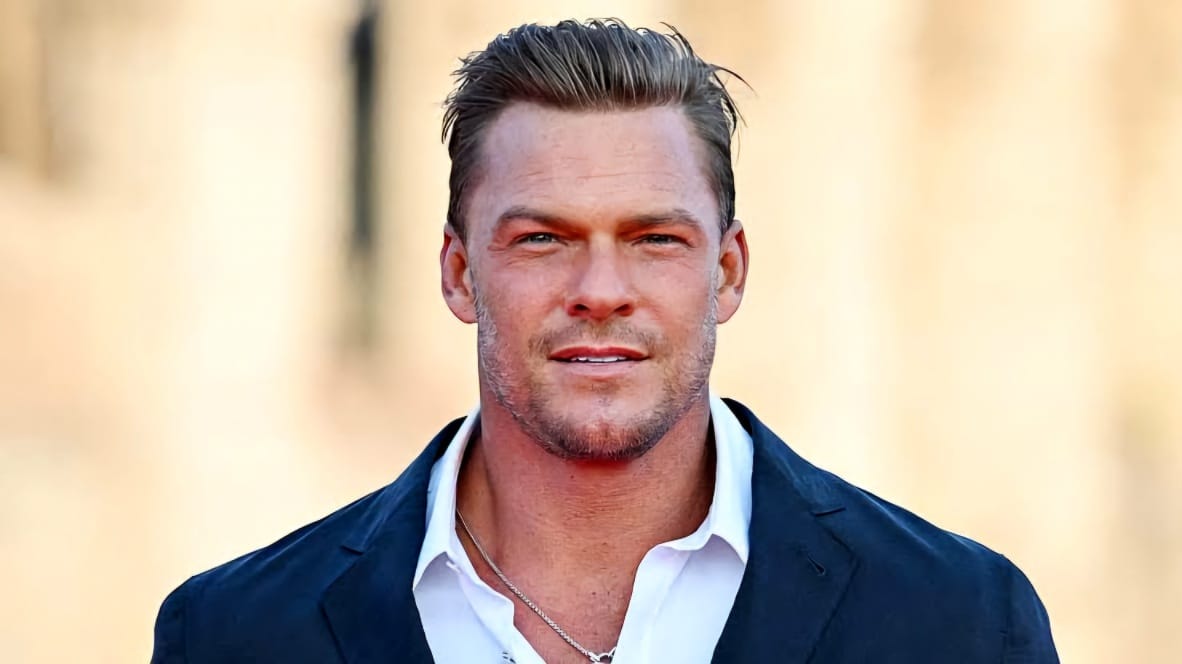
In an era where attention is currency and identity is often curated for algorithms, Alan Ritchson is stepping into a different kind of spotlight. His newly announced survival competition series for Netflix signals a deliberate shift in reality programming, one that trades spectacle for introspection and social commentary.
At its core, the untitled project is structured as a conventional survival competition. Contestants are placed in a demanding environment, forced to endure physical hardship, limited resources, and high-pressure decision-making. However, the distinguishing premise lies in the casting. Instead of unknown participants or seasoned survivalists, the show recruits individuals whose identities are closely tied to visibility, influence, and digital validation.
Once inside the competition, those markers of status are stripped away. No phones, no followers, no curated personas. The format is engineered to isolate participants from the systems that typically define their relevance. What remains is a controlled examination of resilience, adaptability, and psychological endurance.
This framing positions the series closer to a social experiment than a traditional elimination-based reality show. While competition mechanics such as alliances, conflict, and staged challenges will likely drive engagement, the underlying narrative is more analytical. It interrogates what happens when externally reinforced identity collapses under pressure.
Alan Ritchson’s Role Beyond a Traditional Host
Ritchson’s involvement is also strategically aligned with this tone. Known for physically demanding roles and a grounded screen presence, he is expected to function less as a performative host and more as a moderating force.
His role appears to emphasize accountability and progression rather than entertainment-driven commentary. This aligns with Netflix’s broader trend of repositioning hosts as facilitators within the narrative rather than central personalities.

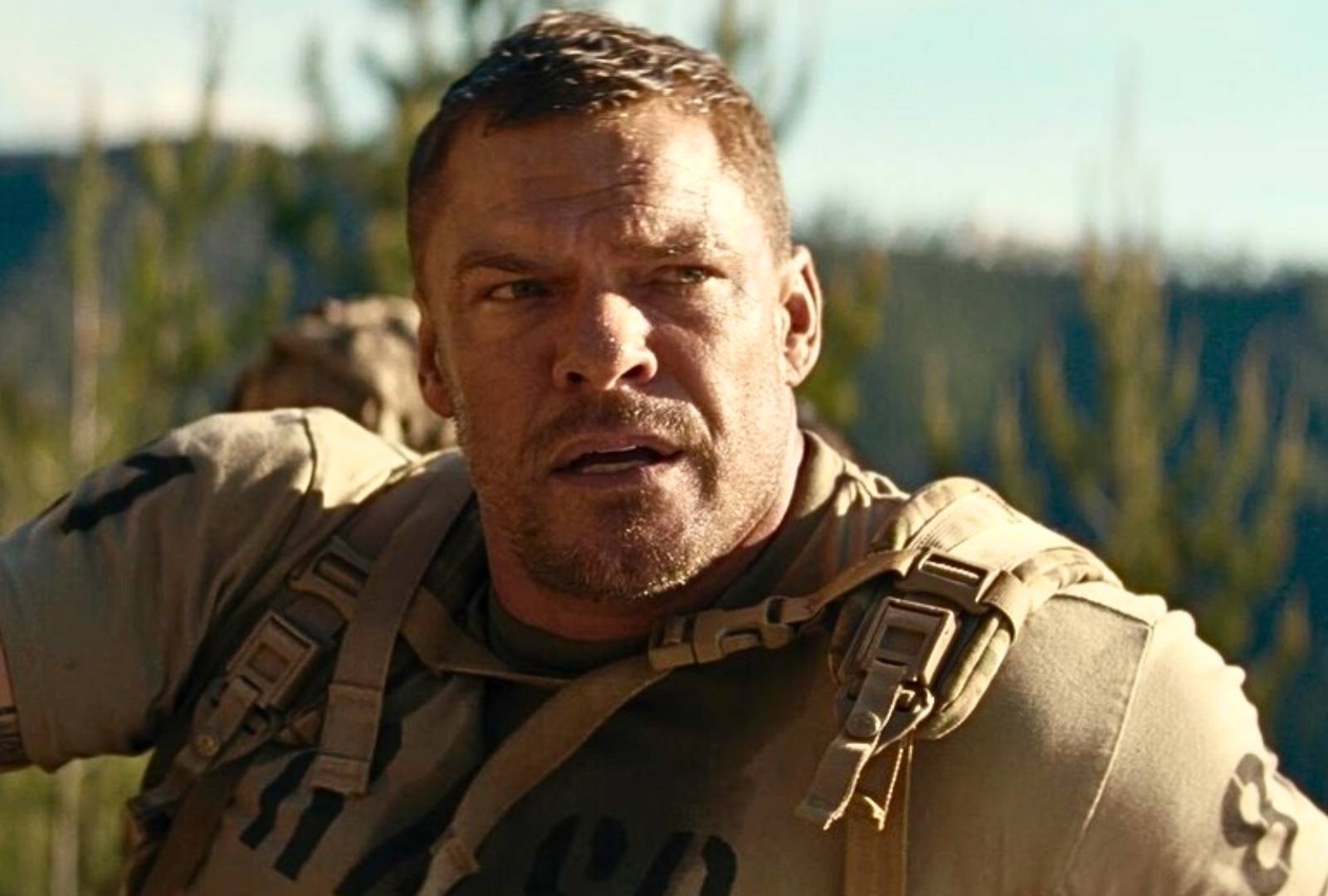
From a programming standpoint, the series enters a saturated genre. Survival-based reality content has seen renewed traction, with audiences responding to both the rawness of the environment and the unpredictability of human behavior under stress.
However, differentiation has become increasingly difficult. By embedding a critique of influencer culture into the format, Netflix is attempting to create conceptual separation.
The timing is also relevant. As conversations around digital identity, authenticity, and burnout continue to expand, a show that operationalizes these themes into a competitive framework has built-in relevance. It is not merely observing these issues but constructing a scenario where they are tested in real time.
Netflix’s Evolving Approach to Reality Programming
There is also a calculated risk. Casting recognizable personalities can drive initial viewership, but it can also undermine perceived authenticity if not handled carefully. The success of the series will depend on whether it maintains credibility as an experiment rather than drifting into performative drama.
At present, details such as release timing, contestant lineup, and location remain undisclosed. This suggests the project is still in a controlled rollout phase, with Netflix likely refining positioning before a broader marketing push.
What is clear, however, is the intent. This is not designed to be passive viewing. It is structured to provoke evaluation, both of the participants and of the systems that elevate them. If executed with restraint and narrative discipline, the series could extend beyond entertainment into something more observational and culturally diagnostic.
For Netflix, that is a strategic play. Not just capturing attention, but reframing what audiences expect from reality television.
Read: Little House on the Prairie Reboot Gets Netflix First Look Ahead of July Premiere
[ad_2]